
(Half a) Story Hour - Episode 4
Episode 4, “Anne of Green Gables: We Are Almost Done Chapter One”
In this episode, we tackle the toughest part of Anne of Green Gables. Marilla Cuthbert explains why she and her brother Matthew have planned to adopt a boy from Nova Scotia to help with the work around Green Gables. Buckle up, it’s a doozy…
Tough stuff in this episode: prejudice, conflict and oppression, colonisation
Today, you may want to start here…
A video from Anne Frank House about prejudice: a difficult concept, beautifully explained for children.
⭐️ Bonus ⭐️
Vocabulary: well-regulated, innovation, disapprovingly, perforce, spry, “Barna[r]do boy”
(Inter)active reading: Ask questions ❓
For teachers: There are no questions modelled in this episode - but lots of questioning thinking. Do you have any questions after some of the big concepts we’ve talked about today? If so, draw yourself a thought bubble and write them down - we’ll see if we can answer them next time… ✏️ 💭
Discussion question: Why is it a bad idea to pre-judge people before we get to know them? 💬
Musical interlude: “The Elephant” from Le Carnaval des animauxby Camille Saint-Saëns
Other Stuff…
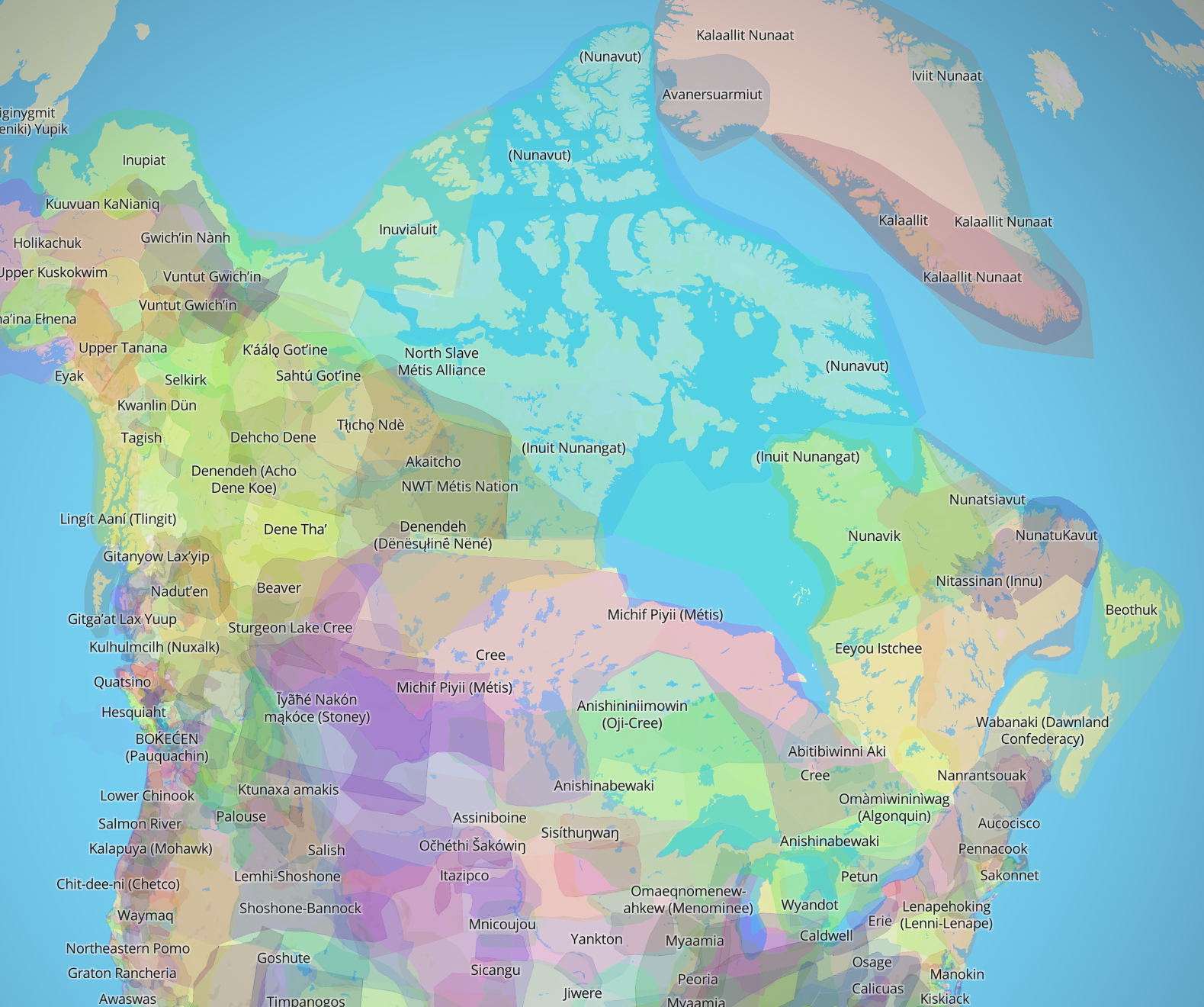
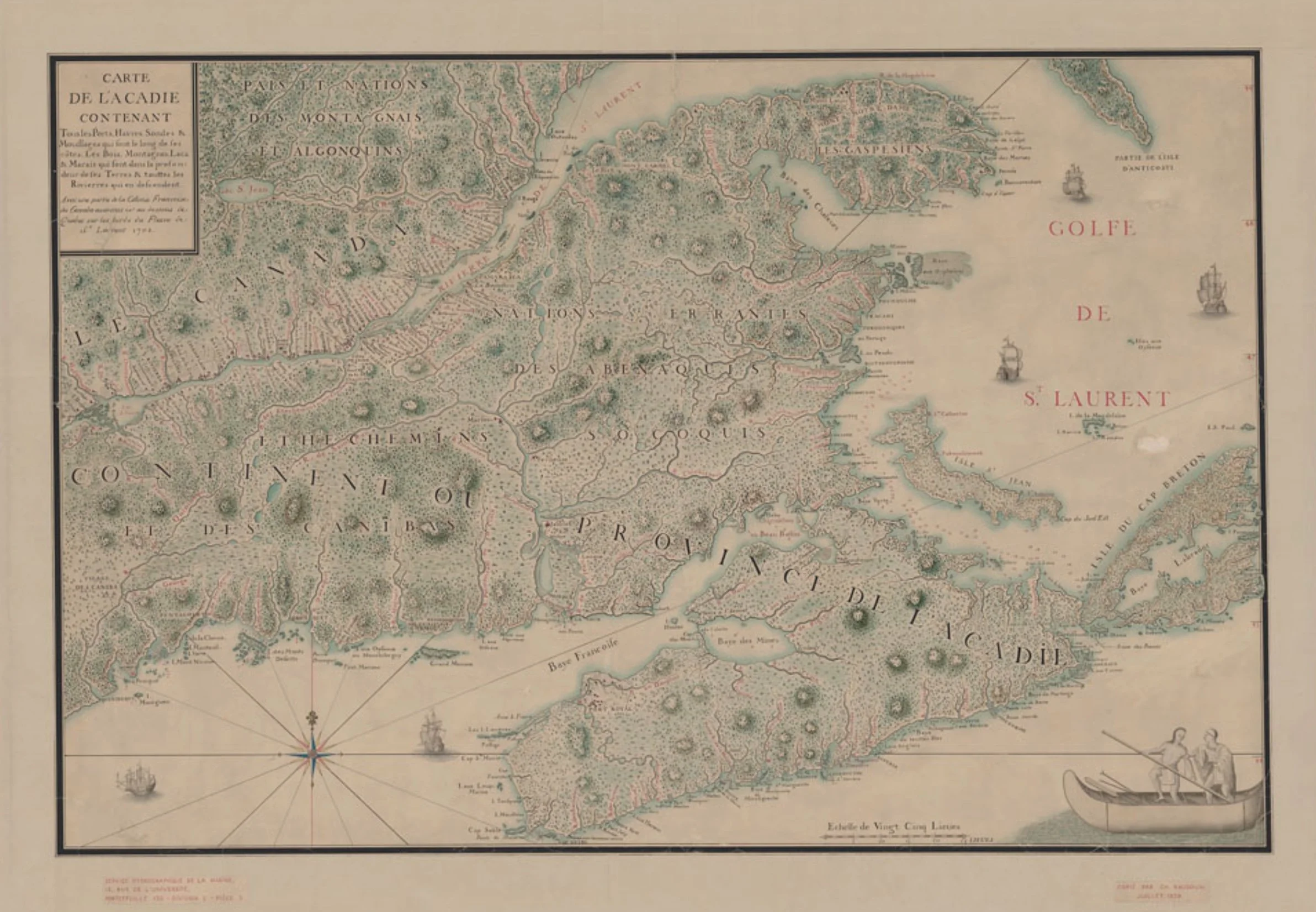
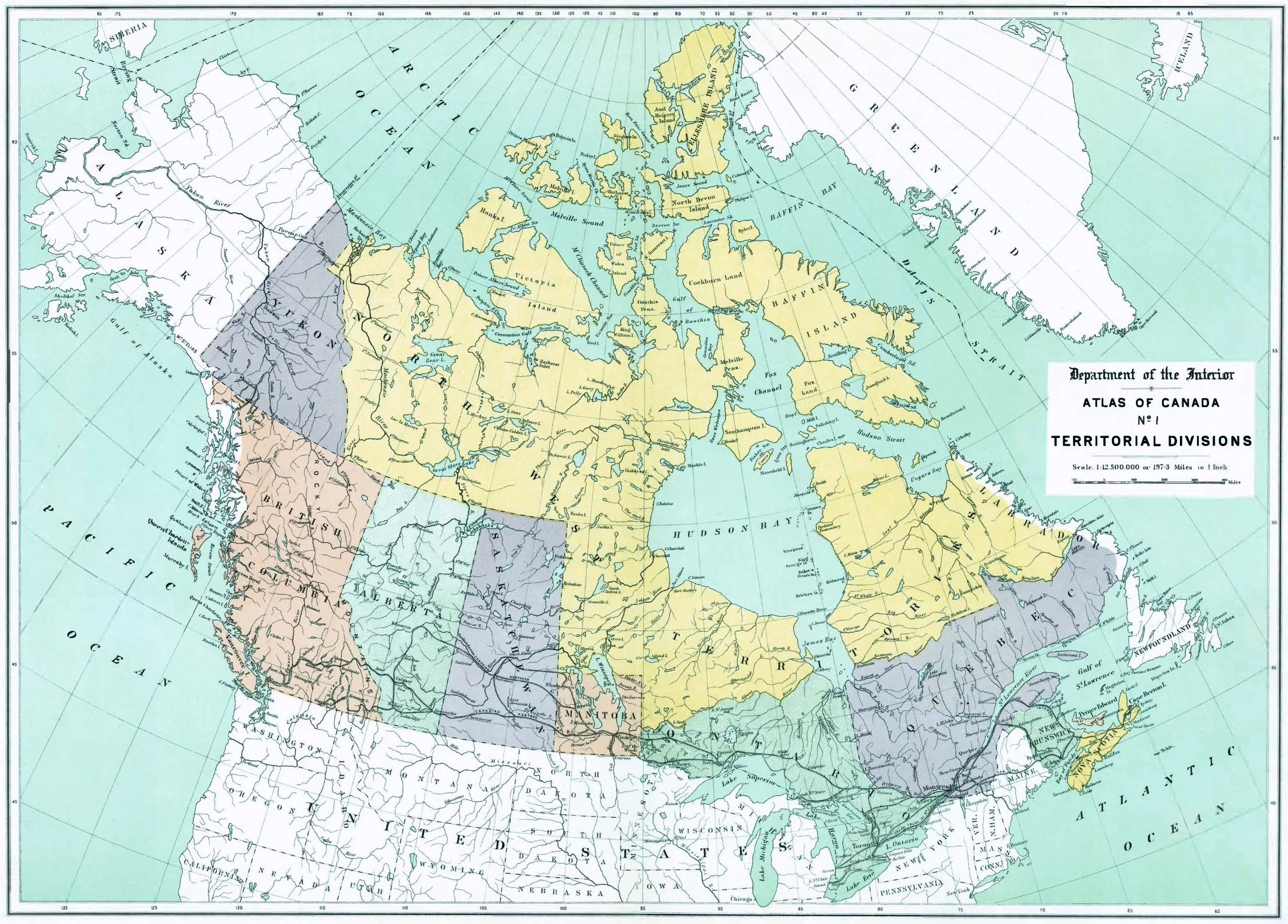
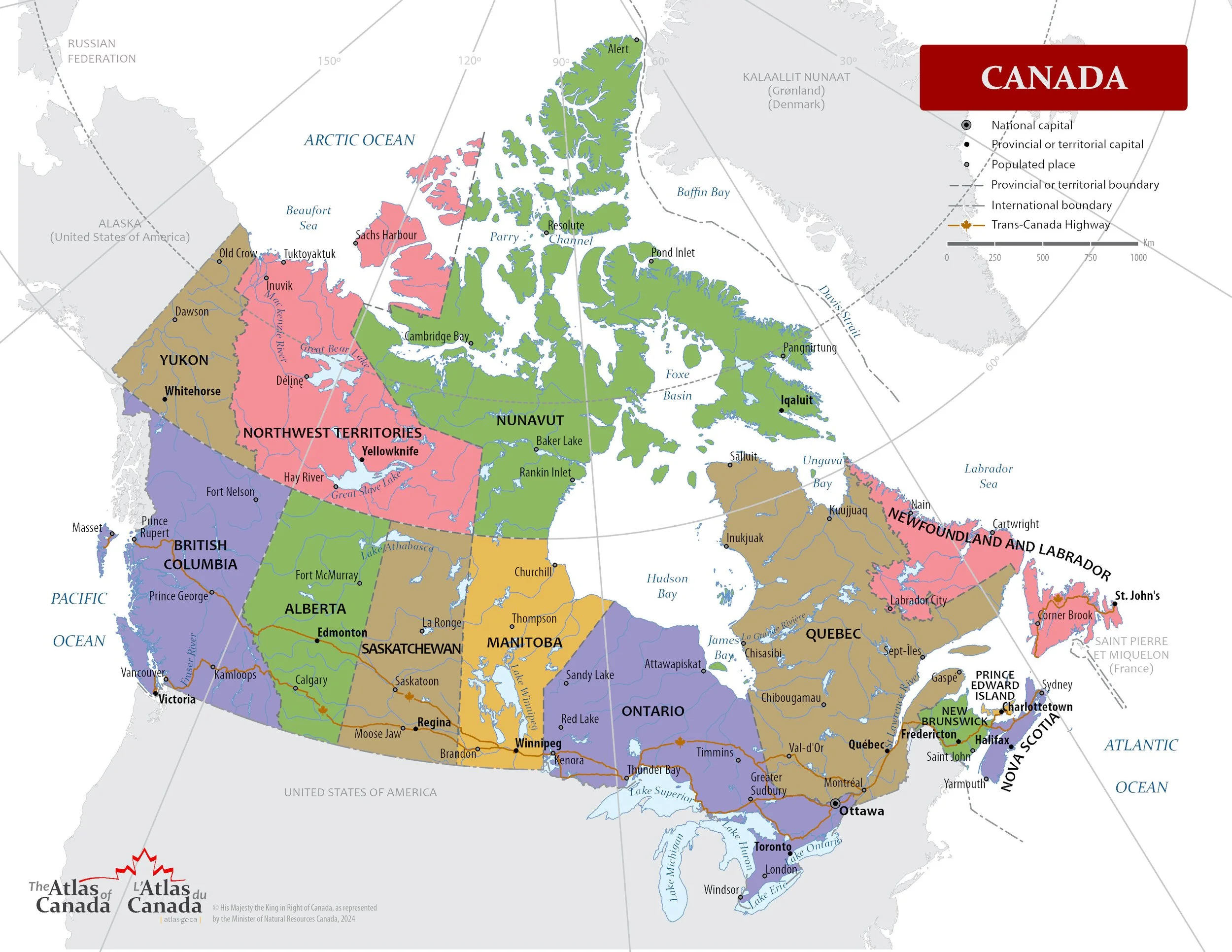
Have a look at these maps, which show the same land and waters.
The one at top left, by Native Land Digital, represents Indigenous territories on First Peoples’ own terms. At top right is a map kept at Library and Archives Canada which was copied from an original located at the Bibliothèque nationale de France in Paris - it shows the French colonial territory of Acadia (l’Acadie) in 1702. At bottom left is a map from the first edition of the Atlas of Canada, published in 1906, just when Lucy Maud Montgomery was writing Anne of Green Gables. At bottom right is a (basically) present-day political map from the same, updated Atlas of Canada.
Where is Epekwitk (Prince Edward Island)?
How about Nova Scotia?
What do you notice about the place and nation names on the map of Acadie? How about the illustrations, especially in the bottom right corner?
What provinces weren’t yet part of, or divided within, Canada in 1906?
Check out the interactive Native Land Digital map. What Indigenous languages and territories overlap with colonial provinces in the Maritimes (Canada’s east coast)?
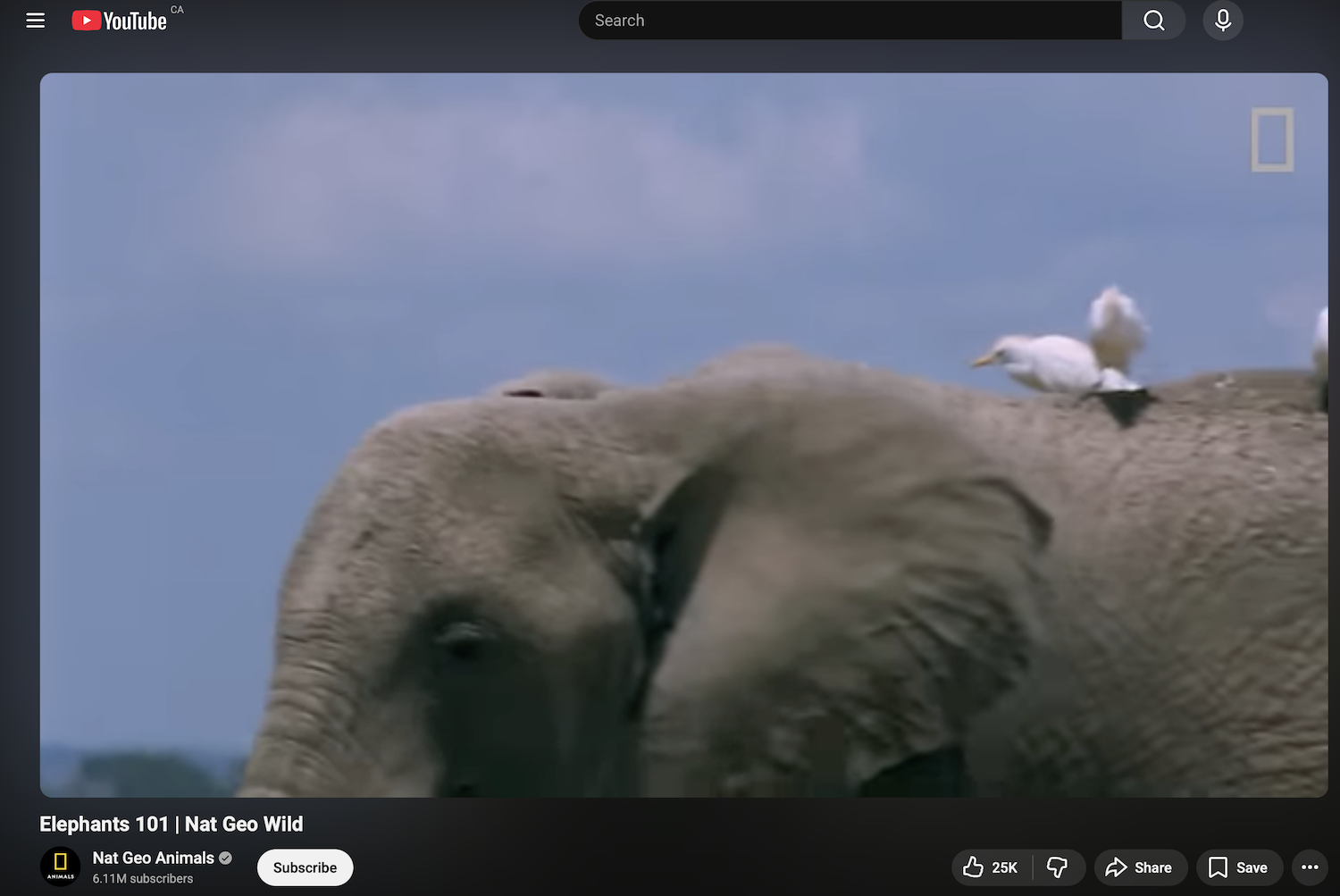
“Elephants 101”* from National Geographic: learn a little more about these amazing animals…
*(101 is from first-year university course codes - meaning you learn the basics!)
Easter 🪺: Can you hear super creaky old floors and furniture anywhere in this episode? How about some fine feathered friends just beyond the windowpane? 🐦⬛